There is a particular kind of summer that genealogists have. It does not look like anyone else's.
It looks like a detour off the highway to find the county courthouse before it closes. It looks like sitting at a kitchen table with an aunt you only see once a year, recorder running on your phone, asking her to tell you again about the grandfather you never met. It looks like a reunion in a backyard somewhere, three generations of people who share a last name and not much else, slowly remembering that they share quite a bit more.
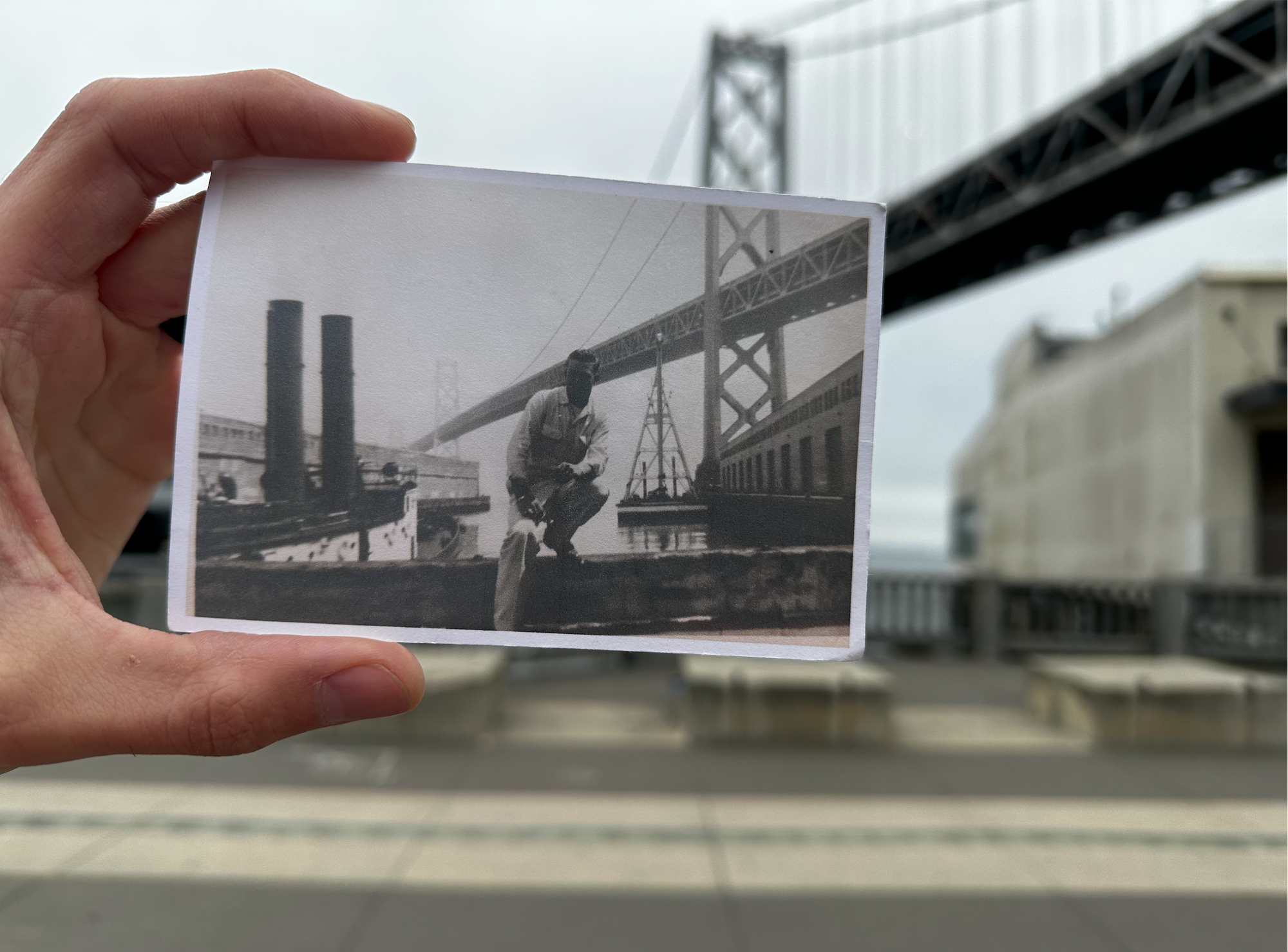
It looks like photographs. Hundreds of them, taken on phones that will go home to different cities and different lives, the images sitting in camera rolls that nobody will sort through until something prompts them to.
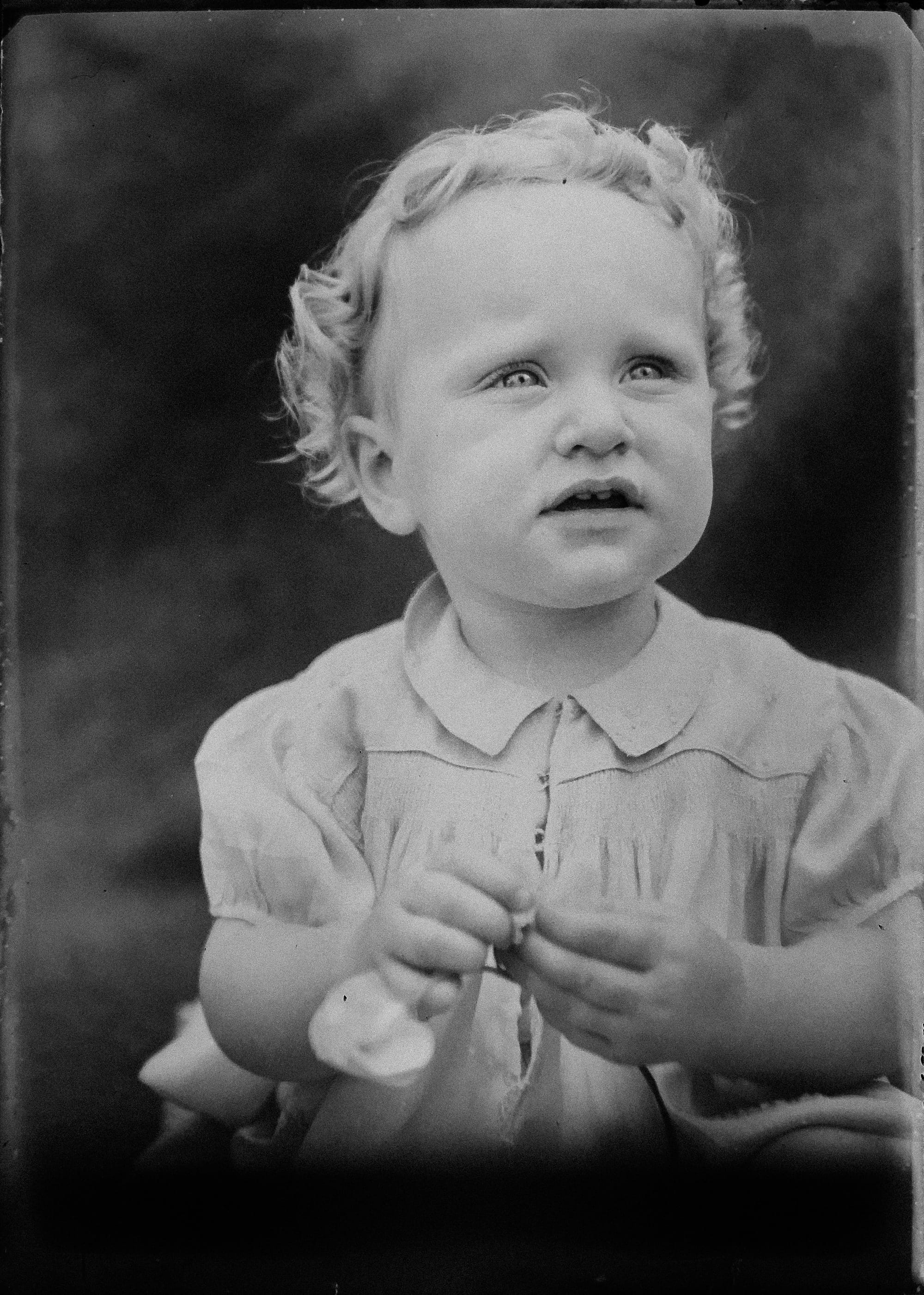
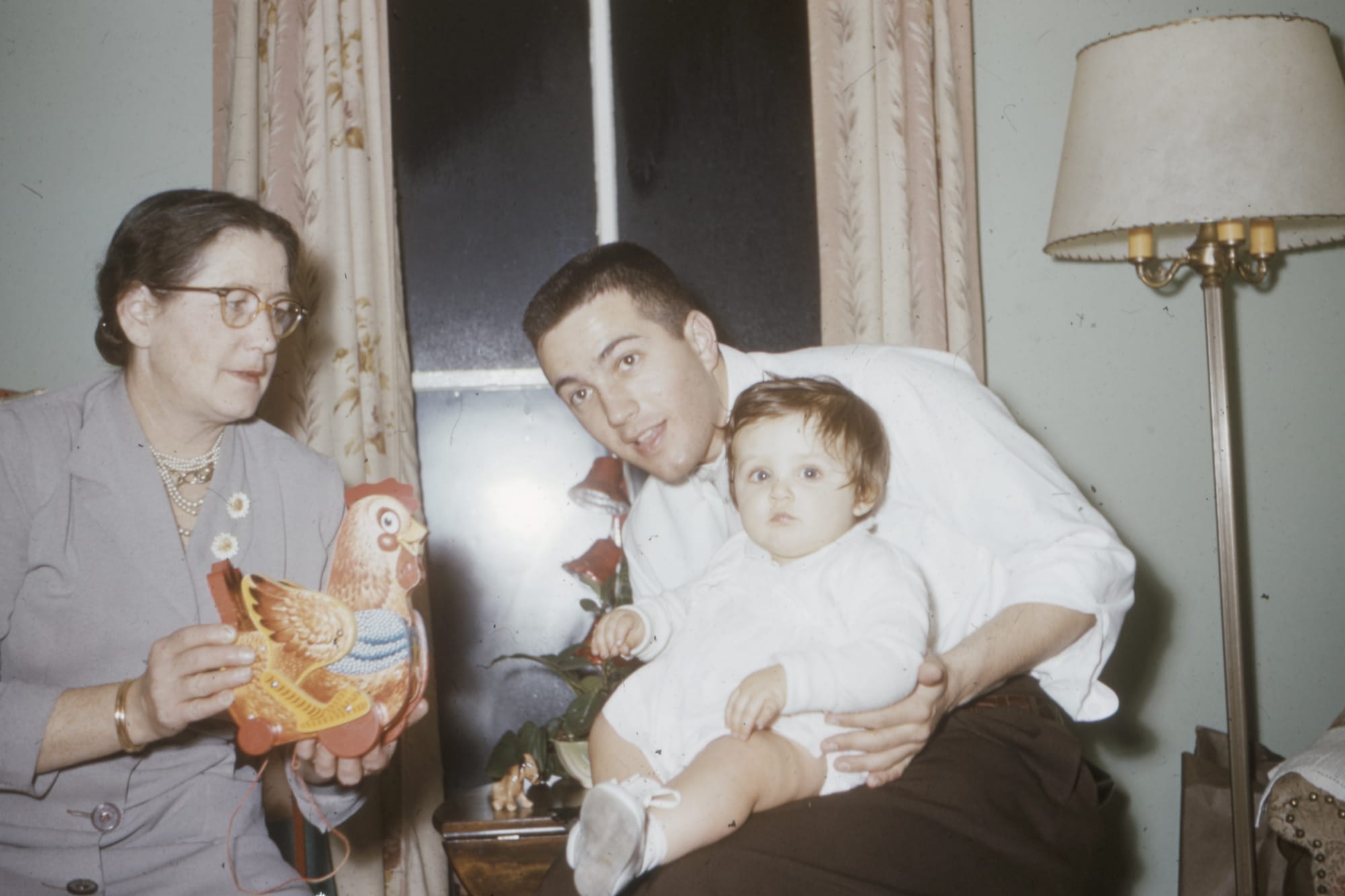
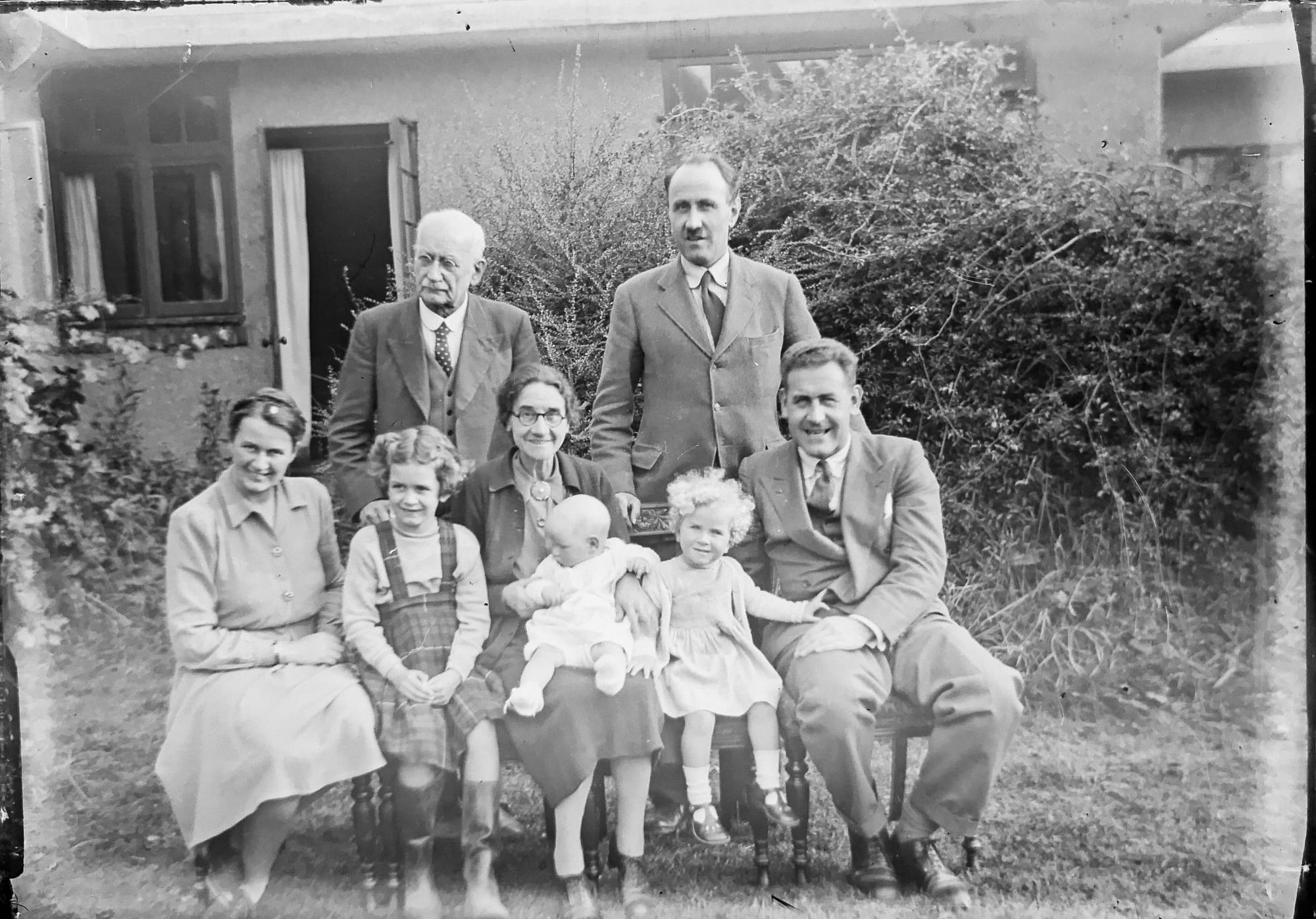
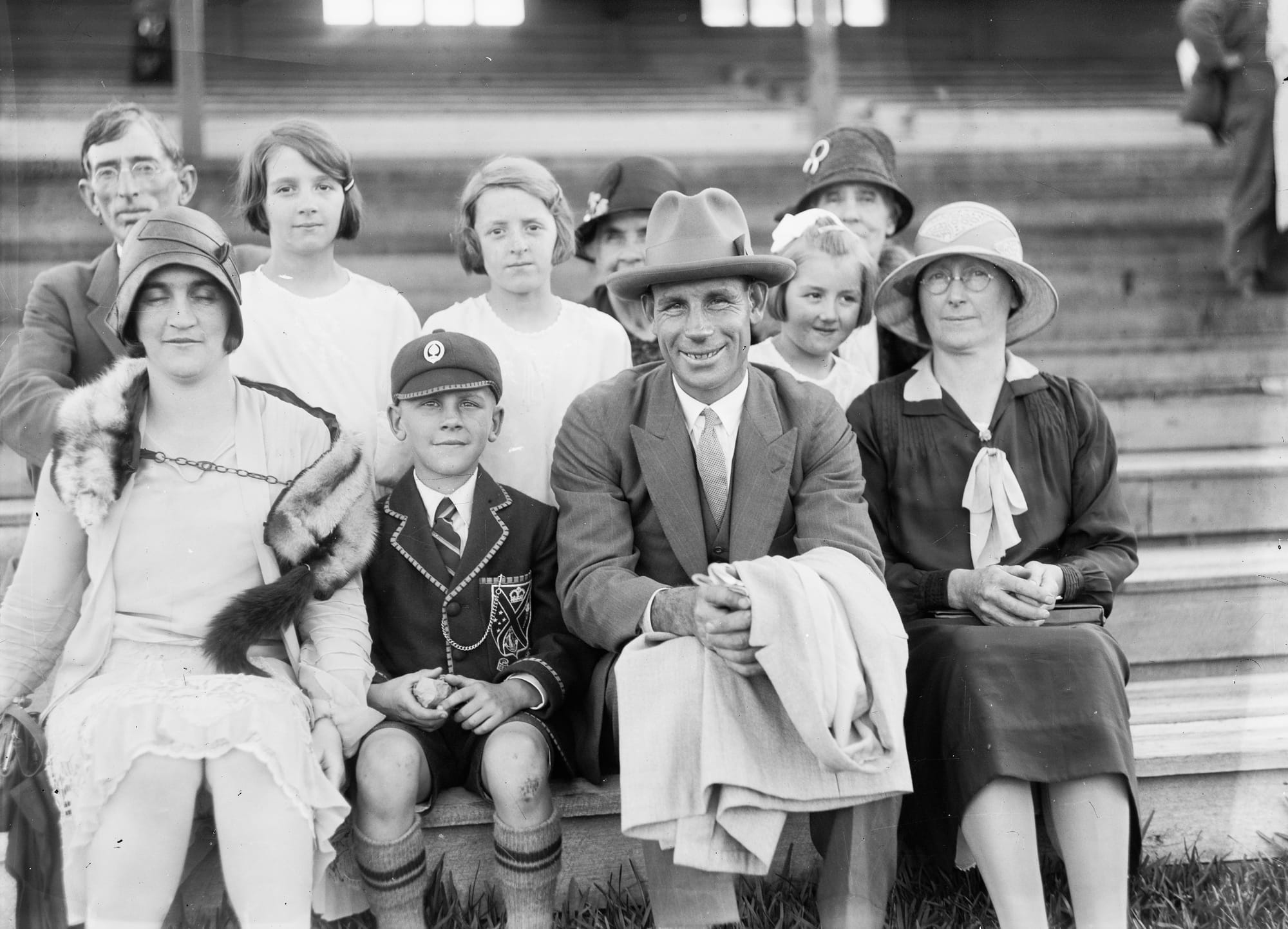
Summer is the time to share, capture, and preserve precious one of one family artifacts so they can be shared and appreciated for years to come.
This is the season when family history gets made. Not in the archives, though some of you were there too. In the ordinary moments that only happen when people are finally in the same place at the same time.
The question worth sitting with now, as August winds down and the rhythm of fall begins to reassert itself, is what happens to all of it.
Not the research. You know what to do with that. You have a system, a tree, a folder structure that makes sense to you even if nobody else could navigate it. The records and documents and digitized photographs have a home.
But the summer itself. The conversation with your aunt. The look on your grandmother's face when someone brought out the old photos. The moment at the reunion when a cousin you barely know said something about your shared great-grandmother that stopped you cold. Where does that go?
Most of the time, it goes nowhere permanent. It lives in the memory of everyone who was there, which means it lives on borrowed time.
Family history has always had this quality. The most important material is often the most fragile. A document in an archive is preserved. A story told once at a kitchen table is not. The photograph taken on a phone is technically saved, but saved is not the same as kept.
What this summer gave you, if you were paying attention, is raw material. The real kind. Not another census record or another branch confirmed, but the living texture of your family as it exists right now. The faces. The voices. The stories that only come out when people are relaxed and together and not rushing anywhere.
That material deserves the same care you give the historical record.
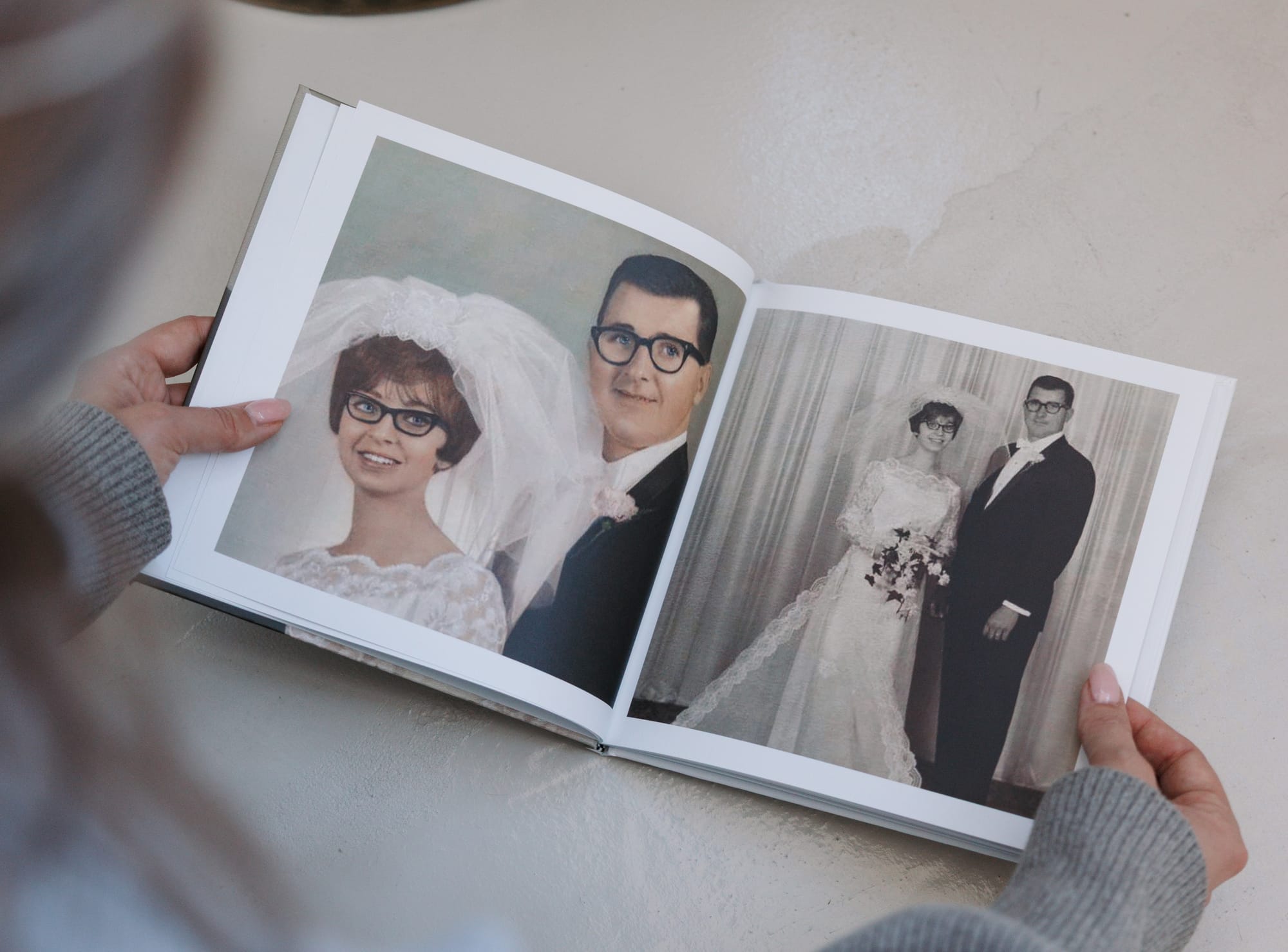
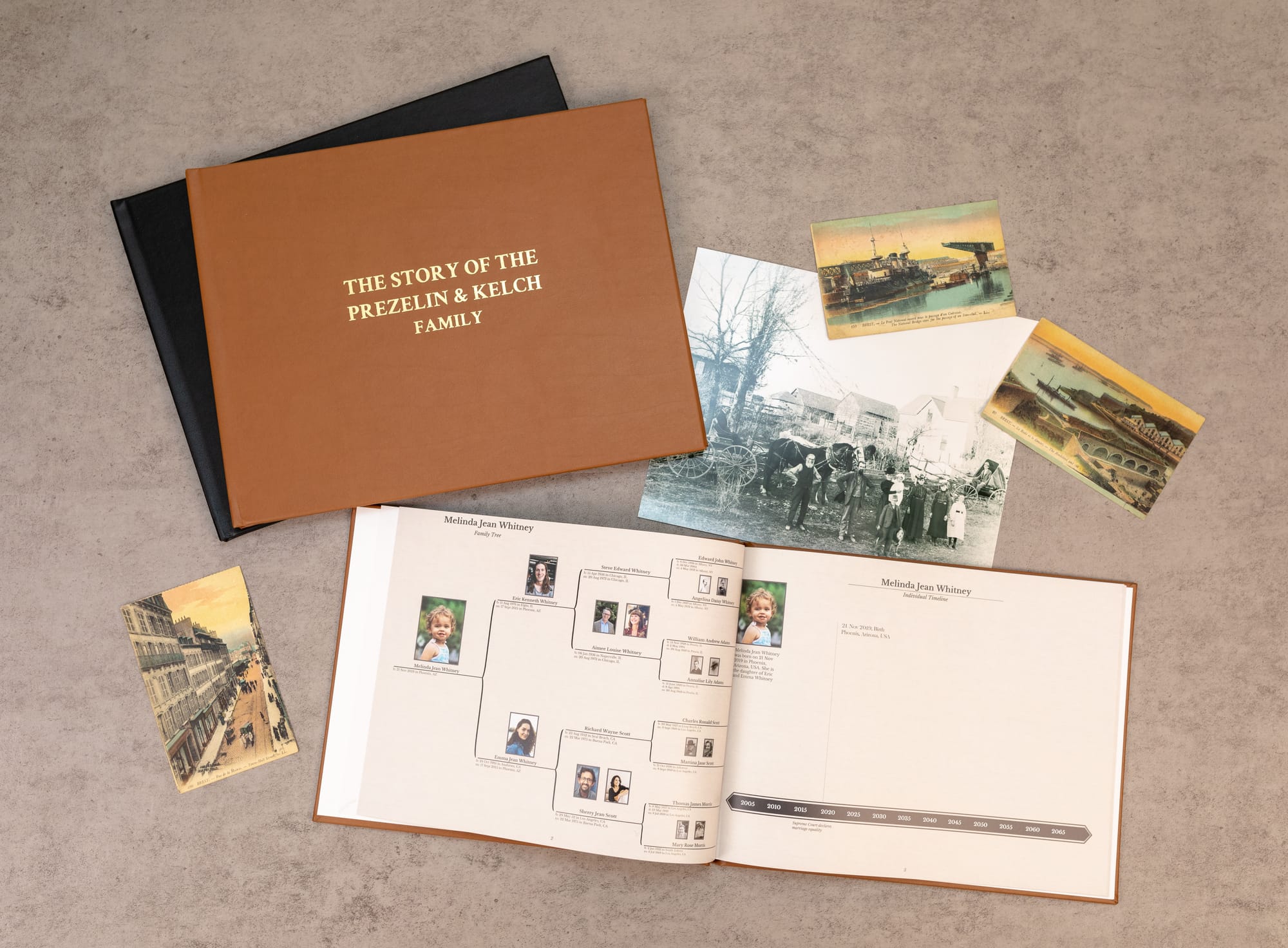
Some of it belongs in a photo book. Not a shoebox, not a shared album link that half the family never opens. Something bound. Something that sits on a shelf and gets picked up. A photo book built from this summer's reunion or this summer's research trip is not a scrapbook. It is documentation. It is the 2026 chapter of a family history that started long before anyone in the room was born.
Some of it belongs in a calendar. The faces from the reunion, the places you visited, the branches of the family spread across the months of a coming year. A calendar is something people live with. They look at it every day without thinking about it, and then one morning they notice the photo and they think about it. That is a quiet kind of preservation that works without asking anything of anyone.
And some of it belongs in the hands of the youngest people in your family, who were at the reunion too, who saw the old photographs and heard the names, but for whom the history has not yet become real in the way it has for you. That is a longer project. But it starts with this summer.
The research season does not have an official end date. But there is a natural turning point somewhere in late August or early September when the pace shifts. The trips are done. The relatives go home. The recorder gets put away. What remains is everything you gathered, waiting to become something.
This is a good moment to look at what you have. Not to start a project necessarily. Just to look. To notice how much is there. To recognize that the summer you just had is the kind of material that most people wish they had thought to capture when they had the chance.
You had the chance. You took it.
Now it gets to become something that lasts.
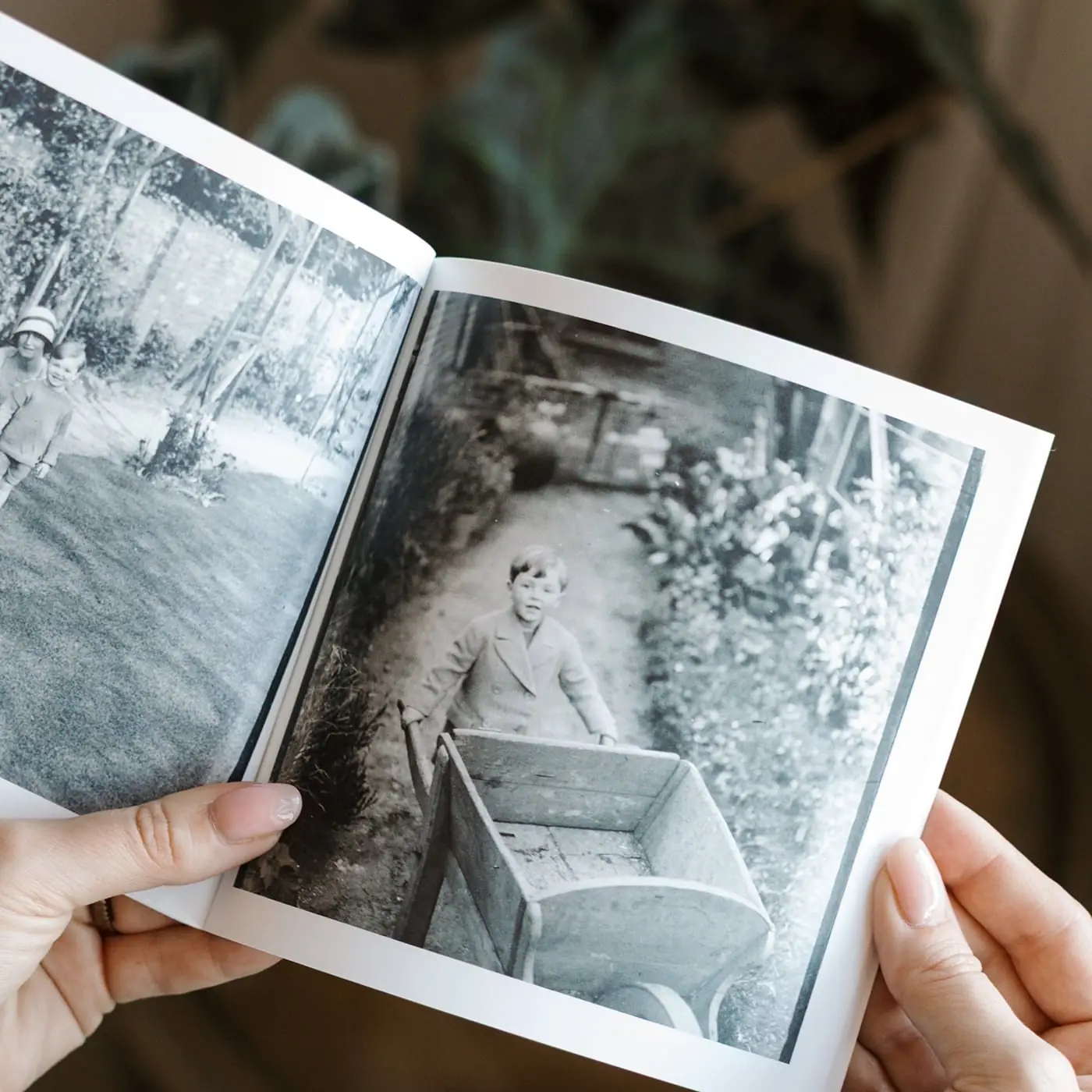
Photo books
See how easy it is to create a beautiful book that brings old photos and stories to life!