At some point, every family historian hits the same quiet wall.
The tree is built. Maybe it goes back four generations, maybe fourteen. The names are there. The dates are there. Birth, marriage, and death, the structure of a life reduced to three numbers and a hyphen. You have spent years filling in those boxes, tracking down those records, confirming those connections. The work is real. The effort has been significant.
And yet, hand that same tree to someone who was not there for the building of it and watch what happens. They scroll through it politely. They say it is impressive. And then they hand it back, because there is nothing to hold onto. No story to follow. No person to care about. Just names, and dates, and the architecture of lives they cannot feel.
This is the date and names trap. And almost every genealogist falls into it at some point, not because they have done anything wrong, but because the tools we use to do this work are designed to capture data, not to tell stories.
A family tree is a map. It shows you where things are. It does not tell you what it was like to be there.
Think about the ancestors who matter most to you. Not the ones you know the most about, the ones you think about. The ones who come to mind when someone asks about your family. There is almost certainly a story attached to each of them. A thing they survived. A choice they made. A detail so specific and so human that it has stayed with you since the moment you first learned it.
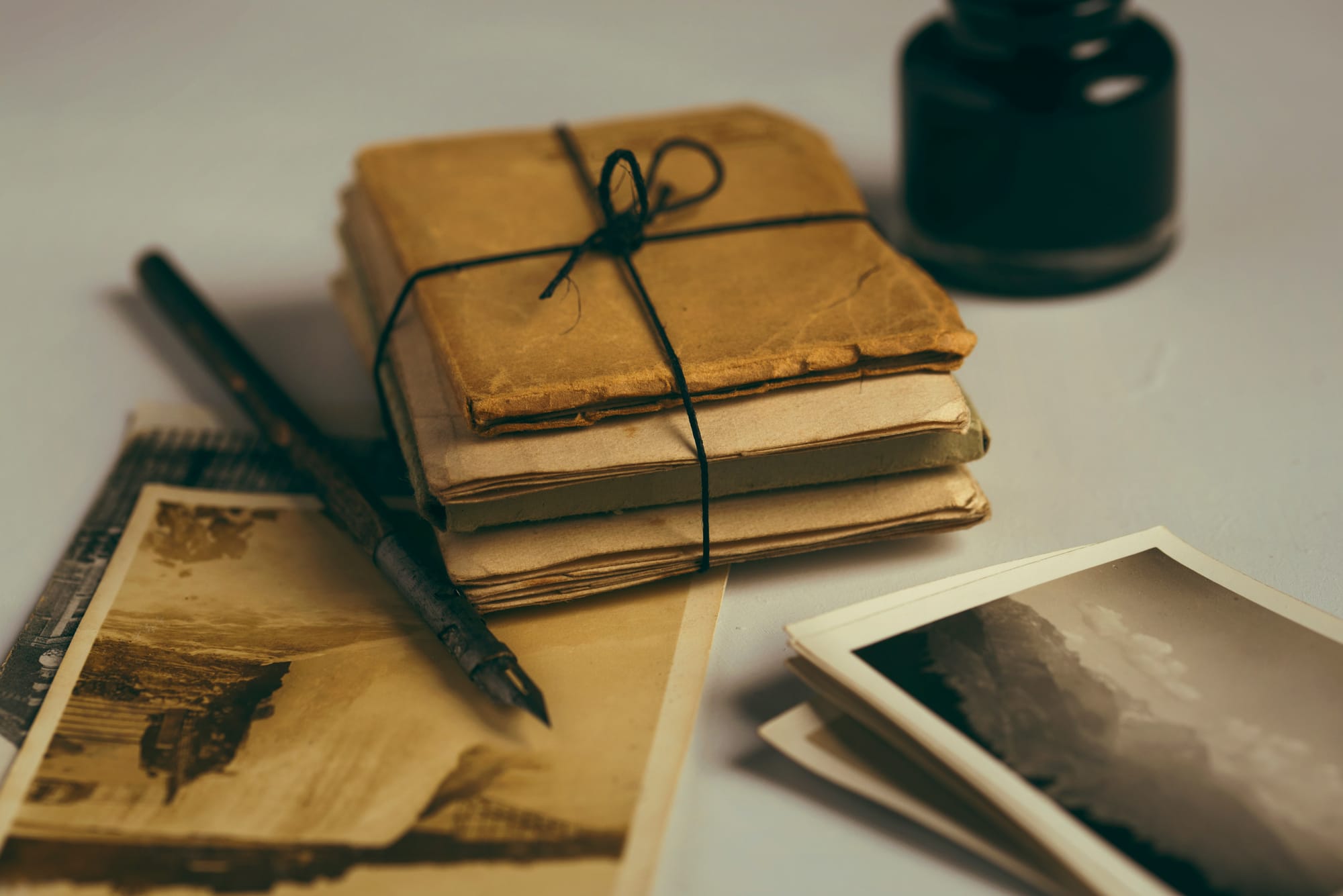
That detail is not in the tree. It might be in a letter, or a newspaper clipping, or something an elderly relative said once at a family dinner that you were lucky enough to write down afterward. It might be in a photograph, not the names printed beneath it, but the expression on a face, the way two people are standing, the background that places them in a moment you can almost step into.
It might exist only in your memory right now, waiting to be written down before it follows you out of the world.
The dates and the names are the skeleton. But the people, who they actually were, what they cared about, what they survived and what they couldn't, that is something the tree was never designed to hold.
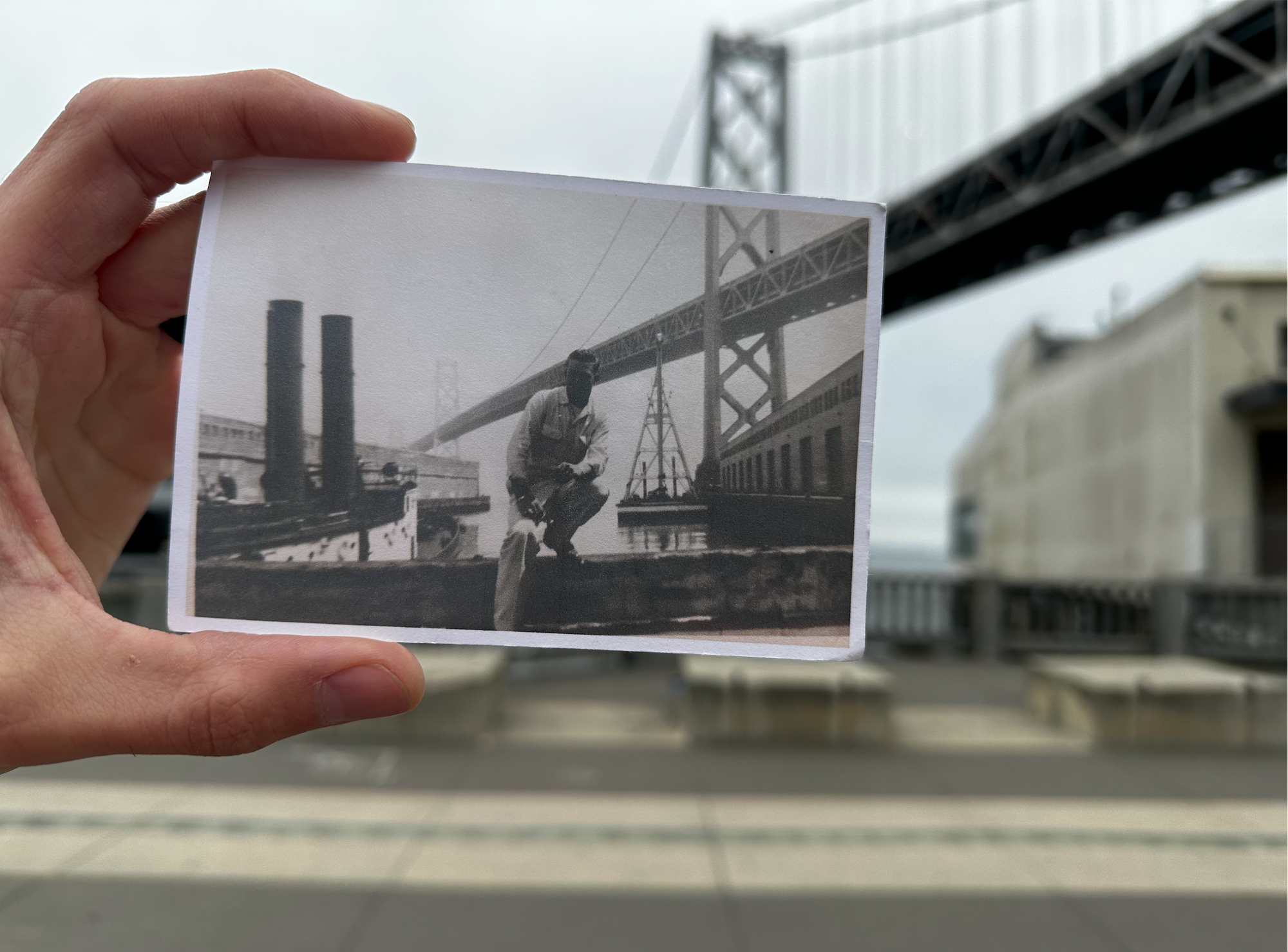
There is a reason this matters beyond sentiment. When you share a family tree with someone who did not build it, you are asking them to care about strangers. And most people, if we are honest, are not very good at caring about strangers. We care about people. We care about stories. We care about the moment a detail becomes specific enough that we can picture it, a man standing in front of the Bay Bridge where his son would stand fifty years later, a woman sitting at a kitchen table in 1943 writing a letter to someone she was not sure would come home.
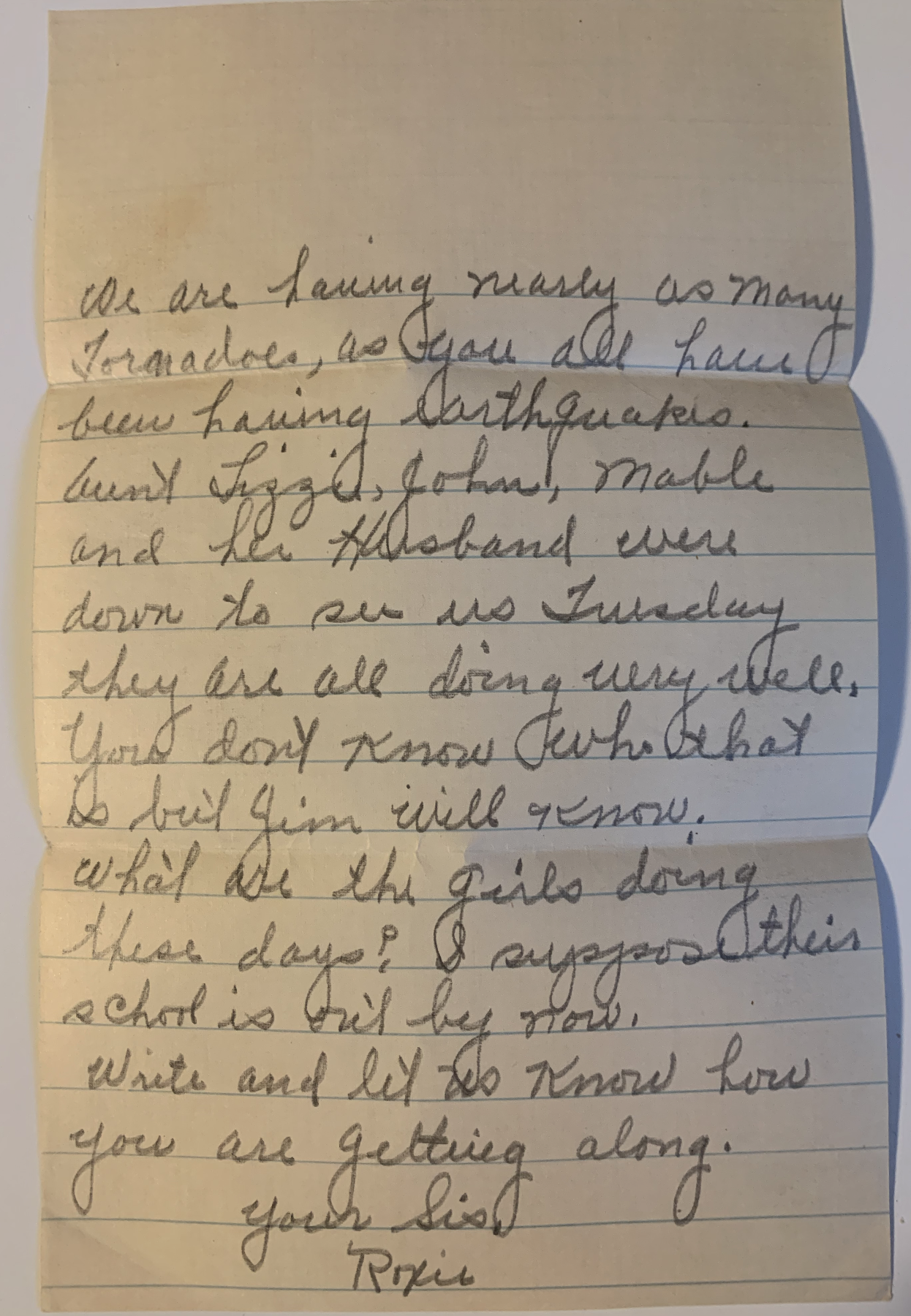
Those moments are what make the difference between a family history someone reads once out of obligation and one they return to. Between a document that lives in a filing cabinet and a book that lives on a shelf, gets picked up, gets passed around, gets handed to the next generation with the words you need to read this.
The names are the beginning of that story. They are not the story itself.
The good news is that most people who have been doing this work for any length of time already have more story than they realize. It is scattered — in the notes attached to an Ancestry record, in the photos uploaded over years of research, in the memories captured from conversations with relatives who are still here to ask. The raw material exists. What it is waiting for is a form that can hold it.
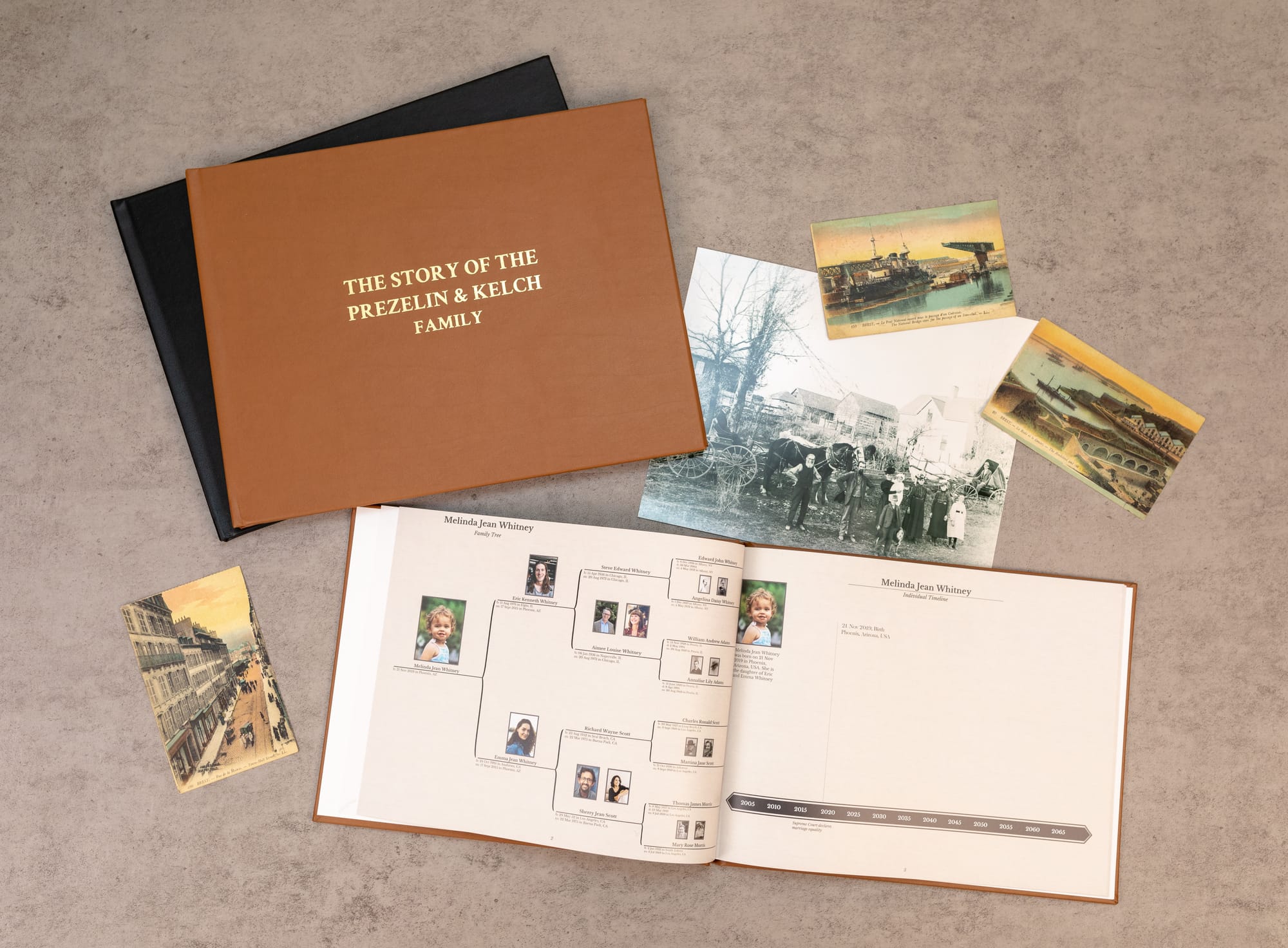
That is where a family history book changes things. When you connect your Ancestry account to MyCanvas, your tree data — the names, the dates, the relationships, the photographs you have spent years attaching to the right people — transfers directly into the platform. It gives you a starting point that is already yours. But what you do with that starting point is not determined by the data. It is determined by you.
The caption under a photograph is where you stop being a genealogist and start being a storyteller. It is the sentence that says: here is what the image cannot show you. Here is what I know about this person that the record does not capture. Here is why I wanted you to see this face.
The dedication page is where you say who you made this for and why. The ancestor selection is where you decide which lives deserve to be at the center of this particular telling. These are not design decisions. They are the decisions that turn a tree into a story.
Most people who have built a family tree for years have told themselves some version of the same thing: I will do something with all of this eventually. When it is more complete. When I have time. When I know enough.
The tree is never complete. There is always another branch, another brick wall, another record that might be out there somewhere. Waiting for completion is waiting forever.
What you have right now — the names, the dates, the photographs, the stories you carry — is already enough to make something real. Something a cousin can hold at Christmas and not put down. Something a grandchild can grow up knowing exists and someday want to read.
The dates and names are the map. The story is what the map is pointing toward. You already know the way, now is the opportunity to break the rest of the family along for the experience.